
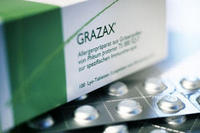
 Merck’s grass pollen allergy drug wins U.S. approval
Merck & Co said the U.S. Food and Drug Administration on Monday approved its grass pollen allergy drug Grastek, becoming the second such immunotherapy treatment to be given the go-ahead in recent weeks.
The company, which developed the tablet with Denmark’s ALK Abello, said it expects to launch the drug, approved for patients age 5 to 65, in the United States by late April.
Immunotherapies work by boosting the body’s immune system and making it less sensitive to allergens.
Grastek contains extracts of the timothy grass allergen. The tablet is placed under the tongue and dissolves.
An advisory committee to the FDA unanimously recommended approval of the drug in December. Panelists also called for post-approval studies to test the product’s safety in children, citing side effects such as lip swelling, throat irritation and oral blistering.
Earlier this month, the FDA approved Stallergenes’ immunotherapy treatment for five types of grass pollen.
The French company has said it sees a potential U.S. market of nearly 3 million patients that will eventually be worth $1 billion in annual sales for these types of drugs.
Merck’s pollen treatment received regulatory approval in Canada in February and has been available in Europe since 2006 under the name Grazax.